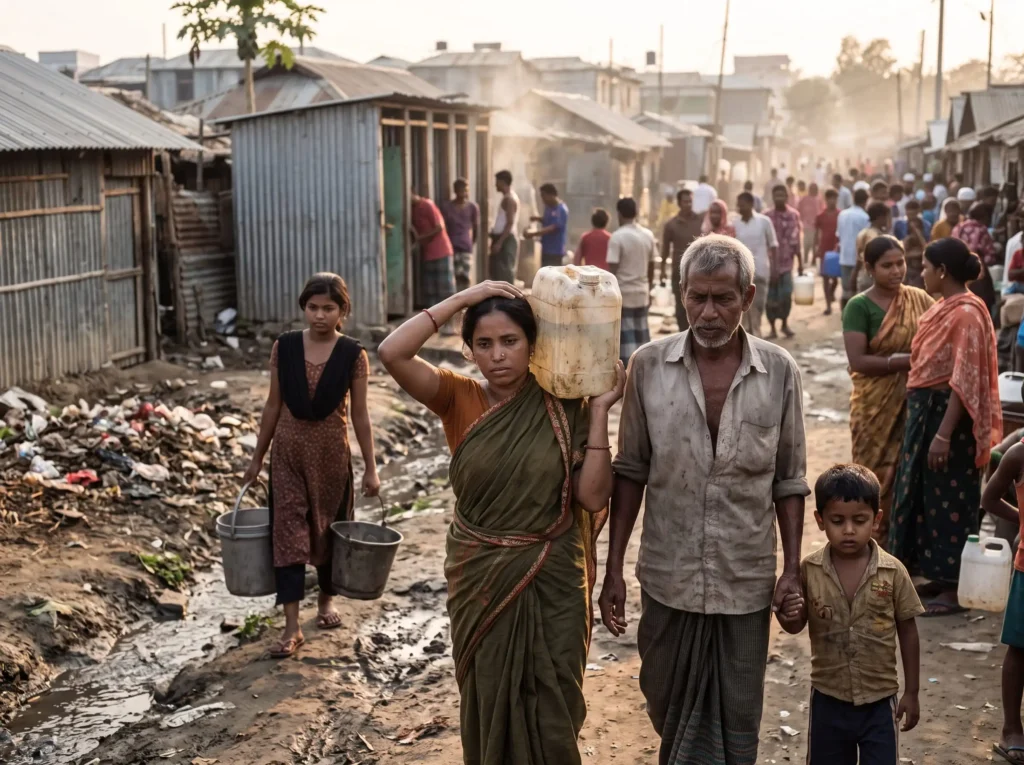
Viruses remain among the biggest threats to worldwide health. They can spread quickly, mutate, overwhelm hospitals, and harm economies. The deadly viruses in the world do not all kill in a similar way. Some, such as rabies, are almost always fatal once symptoms start. Others, such as influenza, HIV, and SARS-CoV-2, have caused massive worldwide deaths because they spread widely across populations. According to WHO, rabies causes an anticipated 59,000 human deaths each year, mainly in Asia and Africa. WHO also describes that COVID-19 has caused more than 7.1 million reported deaths globally since December 2019, while UNAIDS declares that 44.1 million people have died from AIDS-related illnesses since the start of the HIV epidemic.
What Are Deadly Viruses in the World?
A virus is a very small or tiny infectious agent. It cannot flourish by itself. It enters living cells and uses those cells to create more copies of itself. Some viruses cause trivial illnesses. Others cause dangerous disease, organ failure, long-term disability, or death.
The deadly viruses in the world are usually dangerous due to one or more factors. They may have a high ‘case fatality rate’, spread rapidly, avoid the immune system, mutate often, or lack effective treatment. A virus can also develop more dangerous when it reaches areas with weak healthcare systems, inadequate vaccination coverage, or delayed outbreak discovery.
Case fatality rate is defined as the percentage of diagnosed infected people who die from the disease. Mortality rate is broader. It considers deaths in the whole population. Transmission means the means a virus spreads. An incubation period is the time between infection and appearance of first symptom. A zoonotic disease means an infection that spreads from animals to humans. An outbreak is a sudden rise in cases in some areas in some period of time. An epidemic influences a larger community or region. A pandemic spreads across countries or continents, even whole world.
How Deadly Viruses Spread Across the World
Deadly viruses spread in different modes. Respiratory viruses, like influenza and SARS-CoV-2, spread through droplets and aerosols when infected people cough, sneeze, talk, or breathe near other healthy people. These viruses can move rapidly in schools, workplaces, transport systems, and crowded cities.
The spread of some viruses is through blood and body fluids. Ebola, Marburg, and HIV can spread via direct contact with infected fluids including blood, vomiting, semen, breast milk, or contaminated needles. These infections need strong infection control, safe medical practices, and early testing.
Many threatening viruses are zoonotic. This means they first come from animals. Bats, primates, rodents, dogs, birds, mosquitoes, and ticks can all play a role in some specific viral spread. When people move into forests, trade wildlife, or live closer to animals, the risk of spillover may increase.
Global travel has altered outbreak risk. A local infection can cross borders within short time, say few hours. Other contributing factors that increase the threat include urbanization, climate change, poor sanitation, and weak surveillance etc. This is why public health systems should detect, report, and respond early.
What’s the Deadliest Virus in the World?
Many readers question, what’s the deadliest virus in the world? The answer depends on how “deadliest” is assessed. If we define the highest fatality rate after symptoms appear, rabies is one of the strongest answers. WHO states that once rabies reaches the central nervous system and clinical symptoms appear, it is results in death in 100% of cases.
However, if we quantity total deaths, then HIV/AIDS, influenza, smallpox, and COVID-19 have had massive historical impact. HIV has caused tens of millions of deaths over last many decades. COVID-19 resulted in a global pandemic and major economic damage. Influenza has caused seasonal deaths every year and few major pandemics in history.
So, the deadliest virus in the world is not always a virus with the maximum fatality rate. A virus with a lower death rate can still kill many more people if it spreads extensively.
Most Deadly Viruses and Deadliest Infectious Diseases in the World
The deadliest infectious diseases in the world embrace viral, bacterial, and parasitic diseases. Focus of this article is on viruses, but it is important to realize that “deadliest diseases in the world” is a broader category. For SEO purposes, many people also search the phrase “most deadliest disease in the world,” although the correct phrase is “deadliest disease in the world.”
Rabies Virus
Rabies is one of the most lethal viral infections known. It usually spreads through the bite or scratch of an infected animal, unusually dogs. Once symptoms start, survival is extremely uncommon. The good news is that rabies can be prevented. Vaccination of dog, bite avoidance, wound washing, and post-exposure vaccination can save lives. WHO reports that 99% of human rabies cases are the result of infected dog bites and scratches.
Ebola Virus
Ebola virus disease is severe and repeatedly fatal. It can produce fever, weakness, vomiting, diarrhea, bleeding, and organ failure. It spreads through direct contact with infected body fluids. Health workers and family caregivers are particularly at high risk during outbreaks.
WHO reports that Ebola has an average case fatality rate of about 50%, though in the past outbreaks fatality rate has ranged from 25% to 90%. Early supportive care, rehydration, treatment of symptoms, isolation, contact tracing, and vaccination can decrease deaths.
Marburg Virus
Marburg virus is related to Ebola and can result in severe hemorrhagic fever. It is related to fruit bats and can spread between humans through body fluids. Some outbreaks have demonstrated high fatality rates. Because symptoms may start like many other illnesses, diagnosis at an early stage is very important. Prompt isolation, protective equipment, safe burial practices, and contact tracing are major control measures.
HIV/AIDS
HIV attacks the immune system. Without treatment, it may result in AIDS, a stage where the body becomes exposed to severe infections and cancers. HIV spreads via blood, sexual contact, shared needles, childbirth, and breastfeeding.
UNAIDS reports that 40.8 million people were living with HIV in 2024, while 630,000 people died from AIDS-related diseases that year. Since the start of the epidemic, 44.1 million people have died from AIDS-related diseases. Antiretroviral therapy has transformed HIV from a fatal disease into a controllable long-term condition for many people, but access gaps still persist.
Influenza Virus
Influenza may appear common, but it can be fatal. Seasonal flu influences millions every year. It is more threatening for older adults, young children, pregnant women, and people with weak immune systems. The 1918 influenza pandemic remains one of the most dreadful outbreaks in modern history. Flu vaccination, antiviral medicines, hand hygiene, and staying home when sick help decrease spread.
SARS-CoV-2 and COVID-19
SARS-CoV-2 initiated the COVID-19 pandemic. It showed how a virus with a smaller fatality rate than Ebola can still create massive worldwide damage when it spreads widely. COVID-19 overloaded hospitals delayed routine care, interrupted education, closed businesses, and caused long-term health effects like long COVID.
WHO states that almost 780 million COVID-19 cases and more than 7.1 million deaths have been reported worldwide since December 2019, while also noting that the true number is probably higher.
Smallpox Virus
Smallpox was once among the most threatening diseases in human history. It killed millions over centuries and left many survivors scarred or blind. Its eradication through vaccination is one of public health’s magnificent achievements. Smallpox confirms that international cooperation, vaccination, surveillance, and strong leadership can defeat even a deadly virus.
Other Dangerous Viruses
Other dangerous viruses comprise Nipah virus, Lassa fever virus, dengue virus, yellow fever virus, hantavirus, and Crimean-Congo hemorrhagic fever virus. These viruses may not always lead to global news, but they can cause dangerous outbreaks. Many are connected to animals, mosquitoes, or ticks, which makes surveillance and environmental health important.
What Was the Most Dangerous Virus in the World Historically?
People frequently ask, what was the most dangerous virus in the world? Historically, smallpox is one of the strongest answers because of its massive death toll over centuries. Influenza also merits mention because of the 1918 pandemic and recurring seasonal burden. HIV/AIDS has caused a long worldwide crisis. SARS-CoV-2 transformed the modern world in only a few years.
The answer depends on whether we gauge deaths, fear, speed of spread, social interference, or economic loss.
Mortality Rates of Deadly Viruses in the World
Mortality rates are affected by factors like outbreak, age, treatment, vaccination, reporting quality, and healthcare access. Rabies is almost always fatal once symptoms begin. Ebola averages around 50% fatality but can vary widely. Marburg can be highly fatal in some outbreaks. HIV is life-threatening if not treated but it is manageable with therapy. COVID-19 fatality risk depends on age, variant, immunity, and medical care.
This is why the deadly viruses in the world should be compared carefully. A high fatality rate does not always imply the highest total deaths. Spread matters, preparedness matters, and healthcare access also matters.
Global Health Impact of Deadly Viruses
Deadly viruses damage far more than infected patients. They can overload hospitals, exhaust doctors and nurses, establish shortages of medicines and oxygen, and delay routine care for other diseases. During outbreaks, people may skip cancer screening, childhood immunization, maternal care, and treatment of chronic disease.
Viral outbreaks also initiate fear and misinformation. Families may lose income, children may miss school, and older adults and people with weak immune systems face greater risk. Poor communities often suffer more because they have less approach to testing, treatment, vaccines, and dependable health information.
Financial and Economic Impact of Viral Outbreaks
Viral outbreaks can harm national economies. Governments have to spend more on emergency care, testing, vaccines, hospitals, public communication, and protective equipment. Businesses may close, workers may lose jobs, and travel & trade may slow.
The World Bank described that COVID-19 has caused the largest global economic crisis in more than a century. In 2020, it anticipated a 5.2% contraction in global GDP, showing how health emergencies can become economic emergencies.
This is why infectious disease research investment is necessary. Better investment funds vaccines, diagnostics, antiviral medicines, laboratories, disease surveillance, and trained healthcare workers. Prevention is mostly cheaper than emergency response once an outbreak has already spread.
Prevention and Control Measures Against Deadly Viruses
Prevention begins before an outbreak. Vaccination is one of the most robust tools. Hygienic measures like hand wash, safe food practices, clean water, safe sex, animal vaccination, mosquito control, and safe medical injections; they all contribute towards reduction in risk of different infections.
During respiratory outbreaks, masks, ventilation, testing, isolation, and clear public guidance can facilitate. During body-fluid outbreaks like Ebola, protective equipment, contact tracking, safe burial, and speedy treatment are decisive.
Robust public trust is also important. People require clear information from trustworthy health authorities. Fear and false information can worsen outbreaks.
Why Global Preparedness Matters
The deadly viruses in the world are not only medical problems. Besides that, they are also social, economic, and security challenges. Climate change, deforestation, wildlife contact, urban crowding, and global travel can expand outbreak risks.
Preparedness needs strong laboratories, trained staff, prompt reporting, vaccine equity, public education, and strengthen infectious disease research investment. A country is safer when its health system can discover threats early and respond rapidly.
Conclusion
The deadly viruses in the world vary in fatality rate, spread, treatment choices, and long-term burden. Rabies is among the deadliest by fatality rate once symptoms appear. Ebola and Marburg can be extremely fatal during outbreaks. HIV/AIDS has resulted in tens of millions of deaths over decades. Influenza and SARS-CoV-2 show how widely spreading viruses can reshape global health and economies.
The best defense is prevention. Vaccination, early finding, public health systems, deep research, and global cooperation can decrease future viral threats.