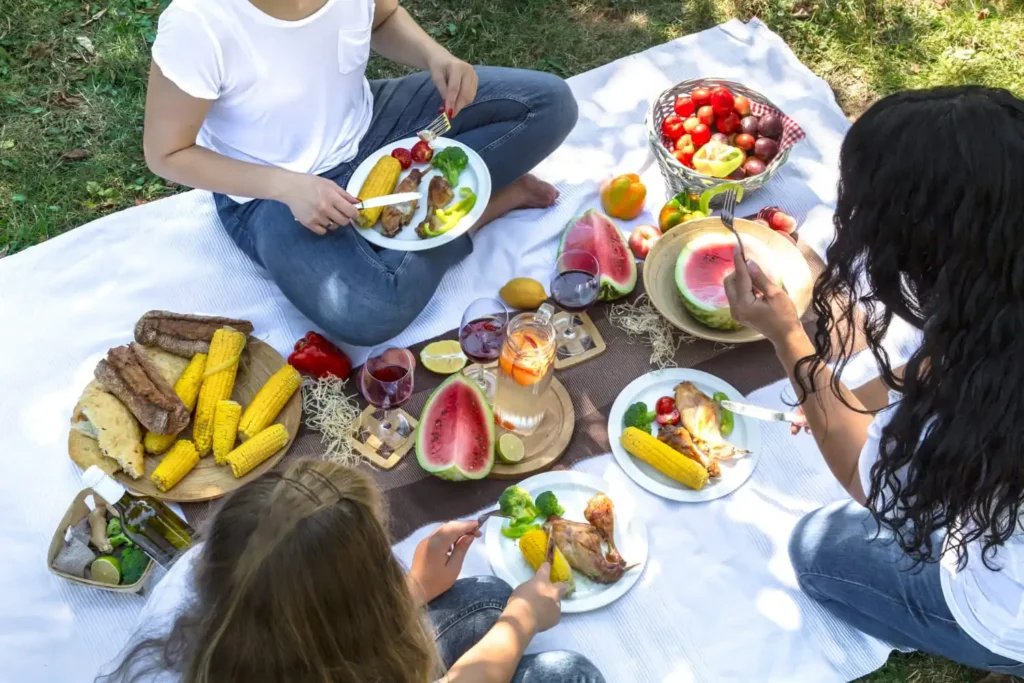
A picnic should not feel risky or complicated, because picnics are planned to be relaxed. If you spend a little time on planning, you can make healthy picnic foods that are colorful, filling, safe to carry, and simple to serve. The best basket is not built based on strict rules. It is built based on variety, safer storage, enough fluids, and foods people really enjoy.
WHO defines a healthy diet as one that contains fruits, vegetables, legumes, nuts, and whole grains, while limiting extra salt, free sugars, saturated fat, and trans fat. That idea works nicely outdoors. Balanced picnic meals can incorporate a whole-grain base, lean protein or beans, vegetables, fruit, and a drink that confirms hydration. Summer nutrition ideas should also incorporate food hygiene, because warm weather can make perishable food unsafe rapidly.
Start with a Balanced Picnic Plate
Think about food in groups. Include in your picnic pack one starchy food like grain, one protein food, two vegetables or fruits, and one refreshing drink. Further description of these groups of foods is as follows:
- Whole-grain wraps, brown rice salad, couscous, corn, potatoes, or whole-wheat pita can provide energy.
- Beans, lentils, boiled eggs, grilled chicken, tuna, yogurt, paneer, tofu, hummus, or nut butter can add protein.
- Cucumbers, carrots, tomatoes, bell peppers, oranges, berries, apples, melon, and grapes add crunch, fluid, and fiber.
This method facilitates adults, children, students, and office teams decide balanced picnic meals without counting every calorie. It also makes the meal easier to distribute. People can make wraps, bowls, or snack boxes according to appetite, allergies, culture, and budget.
Choose Healthy Summer Snacks
Healthy snacks prevent the picnic from becoming only chips, sweets, and sugary drinks. Unlike common belief, healthy summer snacks can still taste fun. Try few from following foods depending on your taste, appetite, allergy and budget:
“fruit skewers, roasted chickpeas, air-popped popcorn, yogurt cups kept cold, veggie sticks with hummus, cheese cubes in a cooler, nuts, seed mixes, boiled corn, whole-grain crackers, or homemade trail mix with dried fruit and unsalted nuts”
For children, select foods that are easy to hold and not too messy. Cut grapes lengthwise for young children, evade hard choking hazards for toddlers, and check school or park rules on nuts. For adults, add flavor with herbs, lemon, mint, yogurt dips, salsa, or lightly spiced bean spreads rather than relying on salty sauces.
Make Smart Swaps Without Losing Enjoyment
A healthy picnic does not mean taking away favorite foods. It signifies adding balance. Serve grilled chicken or bean wraps alongside samosas or sandwiches. Besides juice, add water, unsweetened iced tea, or infused water. Utilize smaller portions of cakes or sweets and pair them with fruit. Select whole-grain bread when possible. Add salad vegetables inside sandwiches so that the same food becomes fresher and more filling.
These summer nutrition ideas work because they are feasible. People are more prone to follow a plan that respects taste, time, and family habits.
Picnic Food Safety Matters
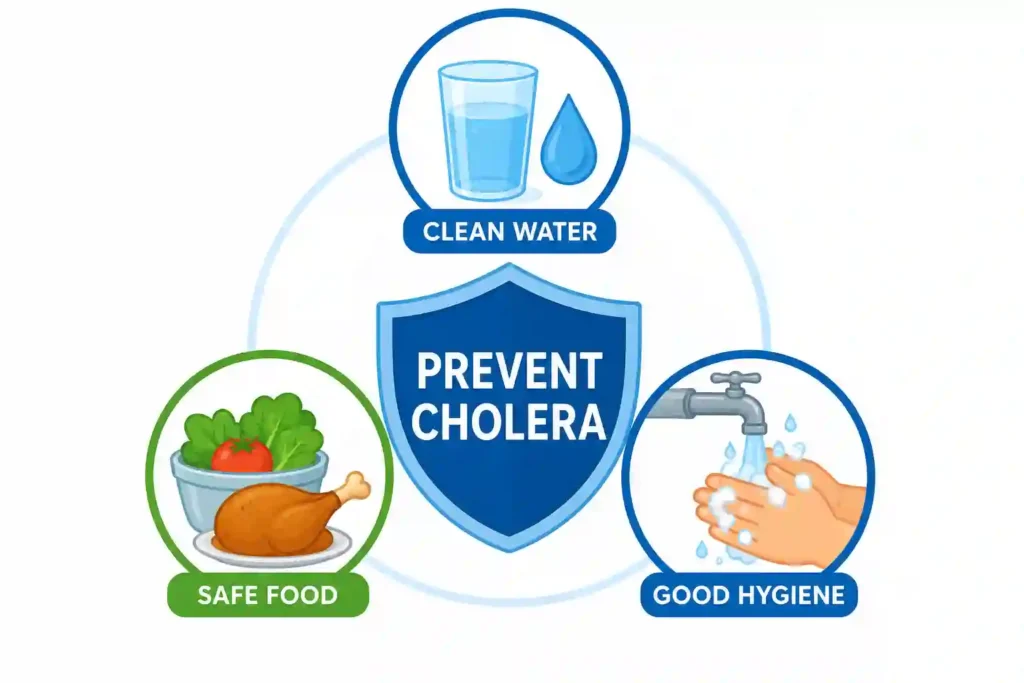
Picnic food safety is not less important as compared to nutrition. Both taste and nutrition are essential. CDC recommends that perishable foods should not remain out for more than two hours, or more than one hour when temperatures are above 90 degrees Fahrenheit (32 degrees Celsius). Pack cold foods cold in an insulated cooler with adequate ice or frozen gel packs. Keep hot foods hot until serving and never mix raw meat with ready-to-eat foods.
While packing, place raw meat, poultry, or seafood in sealed containers at the bottom of a separate cooler. Carry a food thermometer for grilling. Do not use the plate that contained raw meat for serving cooked food. Wash hands with soap and water before eating and after managing raw foods. According to CDC, if soap and water are not available, hand sanitizer can be used, but handwashing is best in most situations.
Hydration-Friendly Foods and Drinks
Outdoor meals are often used in heat, so hydration should be part of the menu. Water, chilled milk, unsweetened yogurt drinks, coconut water without added sugar, and diluted fruit drinks can be helpful, depending on health needs and local availability. Fruits and vegetables like watermelon, oranges, cucumbers, tomatoes, and lettuce also add fluid.
High risk groups such as people with diabetes, kidney disease, heart disease, pregnancy, or medicines that affect fluids should follow professional advice. A simple starting point for most healthy adults is choosing water repeatedly and limiting sugary drinks is.
Allergy and Dietary Caution
Before a group picnic, ask about allergies and dietary requirements. Label ass possibly allergic on foods that contain nuts, eggs, dairy, fish, shellfish, wheat, soy, sesame, or other common allergens. Pack allergen-free foods separate and use separate spoons. Do not suppose food is safe because only a small amount of allergens are present. For religious, vegetarian, or medical diets, clear labels show respect and decrease stress.
Easy Picnic Menu Ideas
For different easy picnic menu ideas try:
- a wrap box with whole-grain wraps, chicken or chickpeas, lettuce, cucumber, yogurt sauce, and fruit.
- a rice bowl with brown rice, beans, corn, tomatoes, avocado, and lime.
- a snack picnic with hummus, vegetable sticks, whole-grain crackers, cheese, fruit, and water.
- a breakfast picnic with oats cups, yogurt, berries, boiled eggs, and tea.
A Simple Packing Checklist
Pack food in shallow containers so that it chills rapidly and serves easily. Freeze water bottles the night before; they work as ice packs and become cold drinks later. Bring separate bags for cleaned utensils, used utensils, waste, and leftovers. Place hand wipes, sanitizer, napkins, a small cutting board, serving spoons, and a thermometer in one visible pouch. If the picnic involves travel, put the cooler inside the car, not in a hot trunk. Open it as little as possible. Initially serve small portions and keep the rest chilled. Refill the serving tray when desired rather than leaving everything in the sun.
Plan for leftovers before starting eating. Carry extra containers and labels. Do not save the food that has been outdoors too long, looks spoiled, smells unusual, or has touched unclean surfaces. Wasting food is frustrating, but foodborne illness can be even worse.
Conclusion
Picnics can uphold health without feeling strict. Select familiar foods, then add one fresh choice. Develop balanced picnic meals, pack healthy summer snacks, keep drinks simple, put label on allergens, and consider picnic food safety seriously. With planning, healthy picnic foods can be pleasant, affordable, and safe for summer gatherings.