A sensor that alerts about changing glucose levels before symptoms appear can be very beneficial for a diabetic person. That applied advancement depicts the purpose of advanced development and health solutions by using proved tools to make care safer, earlier, and easier to reach. The US Food and Drug Administration informed that more than 1,600 AI-enabled medical devices had been approved for marketing as of September 2026. Approval, however, does not imply that every device produces the same benefit. However, still, patient, clinical setting, evidence, and accomplishment determine actual health outcome. [1]
What Are Advanced Development and Health Solutions?
Advanced development and health solutions unite clinical knowledge, software, linked devices, and service redesign to upgrade prevention, diagnosis, treatment, or recovery. Digital health utilizes electronic records, video consultations, and software as a medical device for home monitoring. This system operates stepwise as follows:
- Artificial intelligence recognizes patterns in data;
- The Internet of Medical Things, or IoMT, links sensors and devices;
- Interoperability allows authorized systems to exchange meaningful information.
None of these automatically substitute professional decisions. Their benefits appear from resolving a measurable patient problem instead of adding technology for its own sake.
How Healthcare Technology Has Evolved
Earlier innovations focused on imaging, laboratory diagnostics, vaccination, and life-support equipment. Later on, electronic health records made information easier to recover, although patients still have to repeat histories due to split systems. Smartphones, cloud infrastructure, and affordable sensors made remote care more practical. The COVID-19 pandemic speeded up telehealth acceptance, but application varies by clinical requirement and reimbursement policy. US Centers for Medicare and Medicaid Services data point out that 25% of Medicare fee-for-service users had a telehealth service in 2024, as compared to 48% in 2020. Those figures express just use, not clinical efficacy. [2]
Emerging Technology in Healthcare: Five Practical Examples
The most appropriate emerging technology in healthcare addresses traditional gaps, i.e. missed diagnoses, late follow-up, avoidable travel, and inconsistent care. Consider these examples of technology in healthcare:
- AI-assisted imaging can indicate suspicious findings for radiologist review but insist on external validation and oversight.
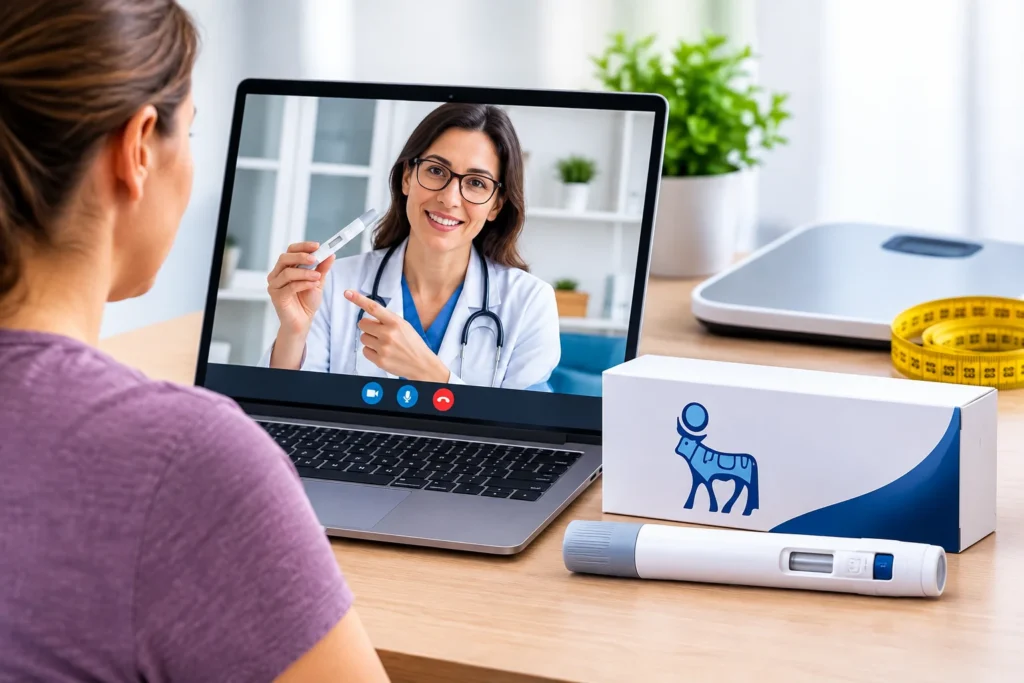
- Telemedicine links patients with clinicians for proper consultations, medication reviews, and follow-up; urgent physical examinations still have to be assessed in-person.
- Wearable ECG and activity sensors can record practical trends, although problems like false alerts and missing data persist.
- Connected blood-pressure cuffs transmit readings for remote clinical review and medication adjustment when applicable.
- Automated insulin-delivery systems link continuous glucose sensing with algorithms that regulate insulin delivery in eligible patients.
Each intervention requires clinical workflow integration, clear responsibilities, data safety, and a plan for patients who do not have connectivity.
Describe One Way That Advances in Technology Have Improved Health
To describe one way that advances in technology have improved health, ponder continuous glucose monitoring, or CGM. A small sensor measures glucose in interstitial fluid, giving frequent readings and trend alerts. For some people with diabetes, this establishes safer treatment decisions and facilitates clinicians detect recurring highs and lows. When CGM communicates with a compatible automated insulin-delivery system, an algorithm can regulate insulin delivery within prescribed safety limits. Technology does not treat diabetes or exclude the need for training, supplies, and clinical follow-up. Individual results vary by patient group and device. [3]
Latest Advancements in Medical Technology in 2026
Among the latest advancements in medical technology are AI-supported diagnostic workflows, more capable distant monitoring, and software that assists clinicians summarize clinical information. FDA device listings include imaging applications, diabetic-retinopathy screening tools, and insulin-dosing technologies. These are clear use cases with different regulatory claims; a conversational AI chatbot is not automatically an authorized diagnostic device. Emerging tools like digital twins and augmented-reality surgical guidance remain dependent on context. Responsible evaluation asks whether a technology upgrades outcomes against standard care, works across populations, and causes accidental harm. [1]
Benefits of Advanced Technology in Healthcare
The benefits of advanced technology in healthcare are most convincing when measured instead of being advertised.
- Accuracy: selected decision-support tools may improve discovery or consistency, provided clinicians authenticate results.
- Accessibility: video visits can decrease travel barriers for appropriate appointments but people without dependable internet are excluded.
- Efficiency: electronic scheduling and secure information sharing may decrease duplicate work when systems interoperate.
- Continuity: home monitoring can uncover changes between appointments and encourage timely assessment.
- Patient involvement: accessible summaries and shared records can support informed choices.
Effective programs track adverse events, waiting times, patient experience, equity, and actual clinical outcomes, rather than just downloads or devices deployed.
Costs, Investment, ROI, and Long-Term Savings
During financial assessment, It is rational to include hardware, licensing, integration, cybersecurity, training, maintenance, reimbursement, and replacement costs. A remote-monitoring program might decrease unnecessary visits, but staffing for checking alerts establishes continuing expense. Return on investment, or ROI, can be calculated by comparing the value of attributable benefits with total costs over an identified period. A simple calculation is ROI equals net benefit divided by investment cost, multiplied by 100. For example, a project costing $100,000 that delivers verified net benefits of $20,000 has a 20% ROI. This is an illustration, rather than an industry benchmark. Health systems should also look into cost per improved patient outcome, clinician workload, and whether savings reach patients or only payers. WHO stresses sustainability, affordability, and equity in digital-health strategies. [4]
Challenges: Privacy, Bias, Access, and Safety
Technology introduces risks and opportunity side by side. Training datasets may not represent total populations, making unequal errors. Cyberattacks can interfere with care or expose sensitive records. Alert fatigue can overthrow clinicians; software changes can modify performance after deployment. Older adults and rural patients may face digital elimination. Before procurement, ask who authenticates the tool, where information is stored, how consent operates, whether accessibility guidelines are met, and what happens when the network fails. Independent monitoring and a clear escalation pathway are crucial.
Future Trends and a Practical Adoption Checklist
The next phase of advanced development and health solutions will expectedly involve more linked care pathways, multimodal clinical AI, and personalized monitoring. Advantages will depend on rigorous evaluation, not novelty. Organizations can follow a concise acceptance sequence:
- Recognize a concrete clinical problem and baseline metric.
- Evaluate published evidence and applicable regulatory status.
- Pilot with patients and clinicians, containing underserved groups.
- Calculate total cost and compare it with other options.
- Train staff, protect data, monitor harms, and stop ineffective tools.
The World Health Organization presented its global digital-health strategy through 2027, highlighting governance and health-system requirements. [4]
Related Health Glow Reading and Conclusion
For related reading, link to Health Glow articles on diabetes prevention, healthcare access, wearable monitoring, and public-health technology only after confirming those pages exist. The strongest advanced development and health solutions complement competent professionals and informed patients. Better care expects evidence, inclusivity, security, and realistic financial planning. Decide on tools that demonstrate measurable benefit, not purely those that promise the most automation. For readers considering a purchase, request documented performance in a comparable patient population, a transparent privacy policy, accessible support, and a total-cost estimate covering several years. Ask vendors to separate research prototypes from legally marketed clinical products. An impressive demonstration may not predict performance in routine care, especially where staffing and internet reliability differ. Patients should discuss device decisions with qualified professionals, particularly when readings influence medication or emergency treatment. Public health agencies should evaluate whether investments improve access for everyone
Sources and Verification
[1] US FDA, AI-Enabled Medical Devices (September 2026)
https://www.fda.gov/medical-devices/digital-health-center-excellence/artificial-intelligence-enabled-medical-devices
[2] CMS, Medicare Telehealth Trends
https://data.cms.gov/summary-statistics-on-use-and-payments/medicare-medicaid-service-type-reports/medicare-telehealth-trends
[3] FDA AI-Enabled Device List / Diabetes examples
https://www.fda.gov/medical-devices/artificial-intelligence-enabled-medical-devices/list-artificial-intelligence-enabled-medical-devices
[4] WHO, Global Strategy on Digital Health 2020–2027
https://www.who.int/publications/i/item/9789240116870