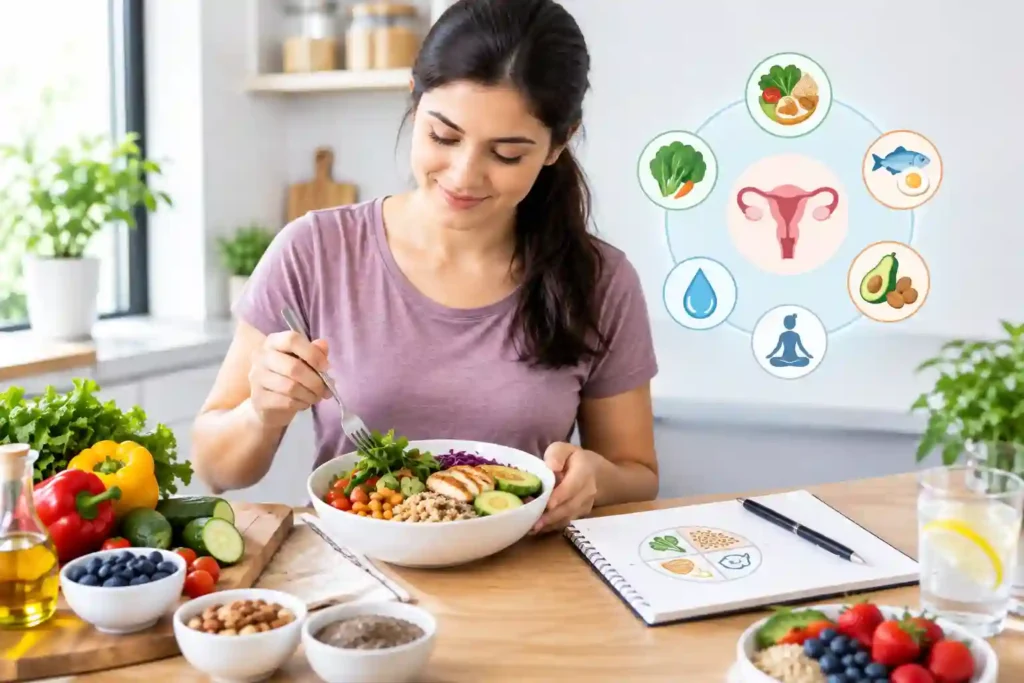
Imported superfoods, costly powders or a separate kitchen are not required for a reasonable breastfeeding diet for mothers does. Majority of mothers can eat the same balanced family foods that they already enjoy. However, while taking normal balanced food, a breastfeeding mother needs to pay a little more attention to regular meals, safe fluids, protein, whole grains, vegetables, fruit and major micronutrients. The aim of breastfeeding nutrition is to provide support for recovery, energy and long-term health during the period when a mother feeds and cares for her baby. Objective of breastfeeding nutrition is not to create another source of pressure.
Important point is that breastfeeding mothers normally need some additional energy. The amount of this additional energy requirement depends on body size, activity, stage of lactation and whether feeding is exclusive or mixed. CDC guidance mentions that for many well-nourished breastfeeding women around 330 to 400 additional kilocalories a day may be required if compared with what they consumed before pregnancy. That is not a compulsory target, but just an estimate. Practically, hunger, growth of the baby, maternal health and professional advice are more important than counting every calorie.
Therefore, regular, nutrient-dense foods that can be prepared consistently are considered the most beneficial foods for breastfeeding mothers. Taking example of a South Asian household, that may imply dal with rice or roti, eggs, yogurt, milk, chicken, fish, beans, chickpeas, seasonal vegetables, fruit, nuts or seeds. A good lactating mother diet should be flexible enough that it could accommodate culture, budget, appetite, vegetarian preferences and medical requirements.
Key Takeaways
- No unique “milk-making” diet is necessary for most breastfeeding mothers. Variety and regular meals is more important than one ingredient.
- Always, keep water or another safe drink nearby mother and drink to thirst; hot weather, illness and activity may increase fluid requirements.
- Protein, whole grains, vegetables, fruit, calcium-rich foods and healthy fats form a reasonable basis.
- Requirements of iodine and choline increase during lactation; therefore, vitamin B12, vitamin D, iron or other supplements may be necessary in special situations after professional review.
- The list of foods to avoid while breastfeeding for many mothers should not be very long. Limitations should be based on evidence, a clear infant reaction or advice of a clinical.
- Standalone, diet won’t fix a poor latch, inefficient milk transfer, or underlying medical feeding concerns. Consult a lactation specialist or healthcare provider, if your baby isn’t growing well or you think feeding hurts or.
What a Balanced Breastfeeding Diet Looks Like
A balanced plate is more practical than a list of “best” foods. Try to incorporate following items in the food:
- a source of carbohydrates for energy,
- protein for recovery and fullness,
- vegetables or fruit for vitamins and fibre,
- a moderate amount of unsaturated fat.
WHO healthy-diet guidance stresses variety. Various foods may be:
- whole grains, pulses,
- vegetables, fruit,
- nuts and healthier fats
Include a limited amount free sugar, salt and industrial trans fats and never include those items excessively. The precise pattern must be consistent with locally available foods and dietary customs.
1. Energy-Giving Staple Foods
For recovery from pregnancy and daily care, Roti, rice, and grains like oats, potatoes, maize, millet are the required foods that provide energy. Constipation, which is common after childbirth can be treated by taking wholegrain or higher-fiber selection. These foods are not “empty carbs” when combined with protein, vegetables and healthy fats. They should not be skipped losing weight rapidly, because it may cause a mother to be tired, hungry and less able to maintain regular meals.
2. Protein at Regular Meals
Eggs, lentils, beans, chickpeas, chicken, meat, fish, milk, yogurt, cheese, tofu and soy foods are feasible protein options. Protein confirms tissue repair and facilitates meals feel satisfying. Meat at every meal is not required. Families can make balanced combinations of dal with rice, chickpeas with roti, yogurt with oats, or beans with vegetables. Eggs are particularly beneficial because they provide protein and choline. Choline is a nutrient whose requirement increases during lactation.
3. Vegetables and Fruit in Different Colours
Seasonal vegetables and fruit are often the most reasonably priced. Spinach, carrots, pumpkin, okra, tomatoes, peas, cauliflower, citrus fruit, guava, banana, melon and mango can all be suitable part of diet for mothers. Other options such as fresh, frozen and safely canned can be nutritious. Variability in foods is more important than any single “superfood.” Taking juice is not very good ides; instead, whole fruit is generally a better everyday choice because it provides fiber and free sugars are less concentrated in whole fruit.
4. Calcium-Rich Foods
Some foods that can contribute calcium include milk, yogurt, lassi without excessive added sugar, cheese, calcium-fortified plant drinks, tofu set with calcium and some leafy greens. Mothers who do not take dairy due to allergy, intolerance, vegan eating or preference; they should consult a clinician or dietitian whether their substitutes are sufficiently fortified. Taking dairy out from meal without a clear reason can needlessly narrow the diet.
5. Healthy Fats and Lower-Mercury Fish
Efficient sources of unsaturated fats include nuts, seeds, peanut butter, olives, avocado and plant oils. Fish is rich in protein, iodine, vitamin B12, vitamin D and omega-3 fats, but species and local contamination advisories should be cared for. U.S. FDA and CDC advice motivates breastfeeding women to take a variety of lower-mercury fish, usually two to three servings a week from the “Best Choices” category. Local health or food-safety advice should be considered on priority basis because fish species and contamination patterns differ by country.
A Simple and Affordable Plate Formula
- Half the plate (for minerals and vitamins): seasonal vegetables or salad, cooked securely and with a variety of colours.
- One quarter (Carbohydrates for energy): roti, rice, oats, potatoes or some other grain/starchy food.
- One quarter (Proteins for body repair): dal, beans, eggs, chicken, meat, fish, tofu or yogurt-based protein.
- Add (for healthy fats): a small number of nuts, seeds or healthier oil, plus fruit when available.
- Drink: according to thirst and individual needs, drink safe water, milk or an unsweetened beverage.
This is a general formula, not a prescription and portions do not need to be measured strictly. Appetite is usually stronger during early lactation, and some days may be irregular. The target is a consistent pattern, not a perfect photograph of a plate.
Hydration: Drink Regularly, Not Competitively
Mother may feel thirstier during breastfeeding period. This phenomenon is specifically more prominent during or after a feed. A practical way to hydrate is keeping a filled bottle or glass nearby. Water is typically the best source of hydration by default. However, milk, soup and other unsweetened drinks can also contribute towards hydration. There is no confirmation that forcing very large amounts of fluid to automatically increases milk supply. Drinking far beyond thirst can be unpleasant and, in extreme cases, even unsafe.
Requirements of water rise in hot weather, with fever, vomiting, diarrhoea or heavy activity. There are some signs like dark urine, dry mouth, dizziness or marked thirst which may suggest that more fluid is required, but symptoms can have other causes. Mothers should follow individualized medical advice when they suffer from kidney diseases, heart or endocrine conditions, or take medicines that affect fluid balance.
- Keep water with you when you breastfeed or express milk.
- Drink with meals and snacks rather than waiting until you are very thirsty.
- Drink safe drinking water in clean cups or bottles, specifically during monsoon or flood conditions.
- Restrain sugary drinks and energy drinks; they may add caffeine or large amounts of free sugar without increasing lactation.
Nutrients That Deserve Extra Attention
Iodine and Choline
CDC comments that requirements of iodine and choline increase during lactation. Iodine sources are dairy foods, eggs, seafood and iodized salt. Choline is sources are eggs, dairy, meat, some seafood, beans, peas and lentils. Simply taking high-dose supplements is not advisable for a mother. Only a clinician should assess diet, thyroid history, local iodine availability and the supplement already being used.
Vitamin B12
Vitamin B12 is particularly important for mothers who eat no animal products (i.e. vegetarians) or who have malabsorption, previous stomach surgery or some medical conditions. A breastfed infant can be harmed by critical B12 deficiency; therefore, vegan mothers should discuss a consistent supplement plan and infant requirements with a qualified clinician.
Vitamin D, Iron and Other Supplements
Supplement advice changes by country and it also depends on personal risk. Some mothers need vitamin D, iron or other nutrients due to anaemia, inadequate sun exposure, restricted diets or laboratory findings. A prenatal (given by injection) supplement may not provide the right dose for an indefinite period after birth. Discuss with the maternity clinician, family doctor or dietitian to review what should be continued and what should stop. Do not combine a number of products that contain same or overlapping ingredients.
| Item | Practical guidance |
|---|---|
| Caffeine | Small amounts of caffeine pass into breast milk. CDC defines about 300 mg or less per day as low-to-moderate intake. Some national guidance advises a lower limit. Caffeine is cleared by younger and preterm infants more slowly. Decrease intake if the baby looks unusually nervous, wakeful or irritable, and count tea, coffee, cola, chocolate and energy drinks. |
| Alcohol | Not drinking is the safest choice. CDC says that maximum one standard drink in a day is not known to harm the infant. Safer approach is to wait for at least two hours after one drink before nursing. “Pumping and dumping” is not fit to remove alcohol faster. Do not care for or sleep beside a baby while impaired. |
| Fish high in mercury | Choose lower-mercury fish and pursue local guidelines. Stop taking species listed by your national authority as high-mercury or contaminated. If eating fish that is caught locally, confirm from advisories where possible. |
| Unregulated herbs and supplements | Herbal teas, powders and “milk boosters” are not reliable because they can contain active ingredients, contaminants or medicines and may interact with treatment. Natural never automatically means safe. Examine any regular product with a clinician or pharmacist. |
| Food-safety risks | Where available, only pasteurized milk should be used. Cook eggs and meat carefully. Reheat leftovers completely. Wash produce and prevent cross-contamination. Postnatal illness and dehydration can make infant care difficult even when the infection does not pass through breast milk. |
Whether Maternal Foods Cause Gas or Colic in the Baby
Some foods like beans, lentils, cabbage and spices can produce gas in the mother’s intestine. However, that gas does not travel into breast milk. Babies are inherently gassy, and crying usually increases in the early weeks for many other reasons. It is therefore misleading to blame the mother’s last meal without evidence.
Though less common, a true food-protein reaction is possible. Look for medical assessment if the baby has blood in the stool, continual vomiting, poor growth, substantial eczema, wheezing, swelling or another constant reaction. Do not eliminate numerous food groups immediately without guidance. such elimination diet can lead to nutrient gaps and may make it hard to detect the real trigger.
Can Food Increase Milk Supply?
No single food consistently causes low milk production. Traditional preparations like oats, fennel, fenugreek, soups, milk, dates and can be comforting or even nourishing, but proof for a direct milk-supply effect is limited or unreliable. Repeated and efficient milk removal through breastfeeding or expression is the main driver of milk production. It is supported by a good latch, correct feeding frequency and management of medical problems.
If a mother suspects that her baby is getting less milk; it is advised that she should have full feed observed when possible. Warning signs for low milk include:
- poor weight gain by baby, number of wet nappies is not increasing as compared to the early newborn period,
- a baby who remains too sleepy to feed,
- ineffective swallowing.
Food cannot compensate for poor milk transfer, if following problems are present:
- tongue or palate problems,
- illness,
- severe maternal anemia,
- thyroid disease,
- retained placental tissue
- some medicines.
It is important to consult a clinician for skilled lactation and medical assessment.
A One-Day Example Using Familiar Foods
The sample in the table below is an example, not a mandatory menu. Portions and ingredients should correspond to appetite, health conditions, food access and cultural preferences.
| Time | Example |
|---|---|
| Breakfast | Oats or wholegrain roti with egg; milk or yogurt; seasonal fruit. |
| Mid-morning | Banana, guava or apple with a small handful of nuts or roasted chickpeas. |
| Lunch | Dal or chicken with rice/roti, cooked vegetables and yogurt or raita. |
| Afternoon | Water or unsweetened lassi; wholegrain toast with peanut butter, hummus or cheese. |
| Dinner | Lower-mercury fish, beans or meat with vegetables and roti/rice. |
| Night feed snack | A simple ready-to-eat option such as fruit, yogurt, milk, nuts, boiled egg or leftover dal stored and reheated safely. |
Budget-Friendly Breastfeeding Nutrition
Healthy eating is repeatedly presented through costly ingredients, but many staples rich in nutrients are not very costly. There are many foods that can support a balanced pattern. Some of such nutrient-dense food items are dried lentils, chickpeas, beans, eggs, seasonal vegetables, bananas, local citrus, oats, wholegrain flour, yogurt and canned or frozen lower-mercury fish. You can decrease dependence on expensive takeaways through buying seasonal produce, cooking larger batches and keeping quick snacks ready.
Following steps help in getting budget-friendly breastfeeding nutrition:
- Cook additional dal, beans or chicken and freeze small portions for busy days.
- Where you commonly feed your child, keep foods like boiled eggs, roasted chickpeas, fruit, yogurt or nuts available where feeds.
- Decide on iodized salt but keep total salt moderate instead of adding more for iodine.
- Use the usual family meals as the base; the mother must not be expected to cook a separate “postnatal diet.”
- Partners can sustain nutrition by shopping, preparing food, washing dishes and making sure that the mother can eat while meals are still warm.
Common Breastfeeding Diet Myths
| Myth | Reality |
| Safe food is bland only | Most mothers can continue eating their usual balanced diet, that may contain spices. A constant infant reaction should be considered instead of assumed. |
| A mother has to eat for two. | Energy requirements increase, but generally not to the level of an entire second adult diet. Regular nutrient-dense meals are more useful than overeating. |
| Every fussy baby demands the mother to stop dairy. | Fussiness alone does not prove evidence for cow’s milk protein allergy. Restriction may be required, but it should follow clinical assessment, specifically when there are red-flag symptoms. |
| Certain sweets or herbal mixtures ensure supply. | No food assures supply. Some products add up large amounts of sugar or contain herbs with unsure safety. |
| Beans cause the baby gassy | Gas formed in the mother’s intestine cannot enter breast milk. Babies can be gassy for many other reasons, most of them are normal. |
| Drinking milk makes more breastmilk. | Milk is a high-nutrition food for those who tolerate it. However, milk production depends largely on effective milk removal and maternal physiology. |
When to Consult a Clinician or Dietitian
Individual advice is particularly significant for mothers with diabetes, kidney disease, thyroid disease, severe anaemia, bariatric surgery, eating disorders, significant food insecurity, vegan diets, multiple food allergies, low body weight, unplanned rapid weight loss, persistent vomiting or a history of nutrient deficiency. Professional review is also needed when the baby at birth was premature, has poor growth, has suspected allergies or requires a specialized feeding plan. Take urgent medical care for following signs:
| Mother | Baby |
| severe weakness | difficulty waking |
| fainting, confusion, | poor feeding with lethargy |
| severe bleeding | breathing problems |
| chest pain, | bluish color |
| Difficulty in breathing | fever in a young infant |
| signs of serious dehydration | repeated vomiting |
| other serious maternal symptoms | signs of dehydration |
A Convenient Weekly Checklist
- Plan three or four easy protein choices: eggs, dal, beans, chicken, fish, yogurt or tofu.
- Buy two or three seasonal fruits and several vegetables instead of chasing exotic variety.
- Confirm that household salt is iodized and used in moderation.
- Always put a safe drink and an easy snack beside the usual feeding chair.
- Assess caffeine from all sources, not only coffee.
- Select lower-mercury fish and follow local advisories.
- Do not start herbal milk boosters or numerous supplements without professional advice.
- Request for competent breastfeeding help when pain, latch, milk transfer or infant growth is disturbing.
Final Takeaway
A practical lactating mother diet is made from everyday foods, safe fluids and rational support. It does not demand perfection, a ban on family spices or a cupboard full of supplements. Eat regularly, select variety, consider iodine, choline and other individual nutrient needs, and be careful with high-mercury fish, excess caffeine, alcohol and unregulated products.
Most seriously, learn that food is only one part of breastfeeding. Pain, poor latch, low milk transfer or insufficient infant growth demands competent assessment. find Health Glow’s World Breastfeeding Week 2026 guide and our description of exclusive breastfeeding meaning for more support across the first six months.