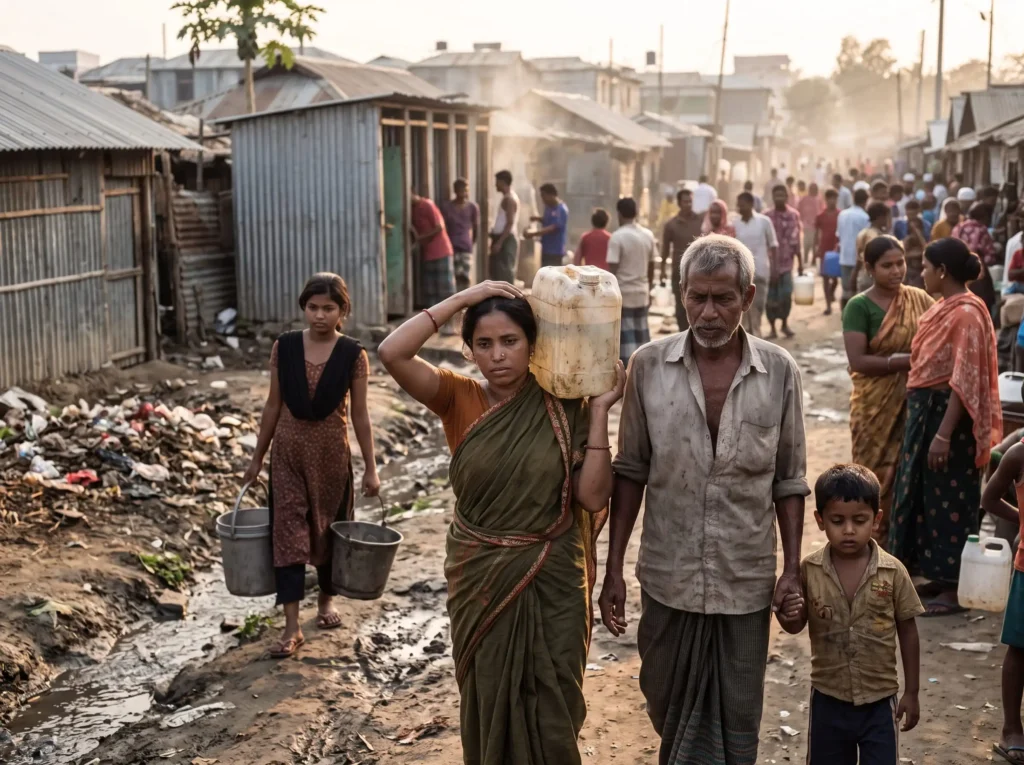
This pillar guide describes risk of seasonal disease spread through mosquitoes for general public and parents. There are three mosquito-borne diseases, i.e. dengue, malaria or chikungunya. As all three diseases cause fever, therefore every fever should not be labelled as one of the 3. This guide:
- separates the three infections,
- stresses testing and local clinical advice,
- provides safe interim steps,
- clearly identifies emergency warning signs
It does not recommend antibiotic misuse, unverified remedies, individual treatment plans and fear-based language.
The risk of mosquito borne diseases in rainy season increases when rainfall, waterlogging, warm temperatures and household water storage produce more places for mosquitoes to breed. Rain itself does is not the cause of infection. The disease starts when an infected mosquito bites a person. Pakistan’s June 2026 monsoon advisory explicitly warned that stagnant water can increase spread of malaria, dengue and chikungunya. At the same time, flooding may also delay access to diagnosis and care.
Rainy season fever cannot be diagnosed safely from symptoms alone, because the three illnesses overlap. by Aedes mosquitoes, which often bite during the day commonly spread dengue and chikungunya, which are viral infections. However, malaria is caused by Plasmodium parasites (not a virus) and is spread by infected Anopheles mosquitoes, which commonly bite during night from sunset to sunrise. To diagnose the disease, testing, local disease patterns, travel history and clinical examination are important.
The disease burden and death toll is considerable. WHO estimated that:
- There were 14.6 million reported dengue cases worldwide in 2024
- There were 282 million malaria cases and 610,000 malaria deaths in 2024.
- Chikungunya continued to cause large outbreaks in 2025–2026, with prolonged joint pain affecting some patients.
Fast Comparison: Dengue, Malaria and Chikungunya
| Disease | Main vector | Common early clues | Important difference | Urgent concern |
|---|---|---|---|---|
| Dengue | Aedes; frequently daytime | High fever, severe headache, pain behind eyes, body aches, nausea or rash | Warning signs may appear as fever starts to drop | Severe abdominal pain, repetitive vomiting, bleeding, drowsiness or difficulty in breathing |
| Malaria | Anopheles; frequently dusk to dawn | Fever, chills, sweating, headache, weakness; symptoms may come and go/on alternate days | A blood test can detect malaria parasites; falciparum malaria can worsen quickly | Confusion, seizures, difficulty in breathing, jaundice, collapse or inability to drink |
| Chikungunya | Aedes; frequently daytime | Sudden fever with marked joint pain, swelling, headache or rash | Joint pain can continue for weeks or months | Severe illness in newborns, older adults or people with major health conditions |
Dengue: Watch Closely Even When Fever Drops
Dengue can cause no symptoms, a mild flu-like illness or severe disease. Characteristic symptoms start several days after a bite and they may be high fever, headache, pain behind the eyes, muscle and joint pain, nausea, vomiting, swollen glands and rash. There is a higher risk of severe disease in second dengue infection.
The most important safety message is that deterioration may occur when the temperature starts to fall. Urgent medical care is required for symptoms like severe abdominal pain, persistent vomiting, bleeding from the nose or gums, blood in vomiting or stool, restlessness, unusual sleepiness, pale or clammy skin and breathing difficulty. Pakistan’s NIH also recommends regular inspection and weekly cleaning of water-holding containers because Aedes mosquitoes breed within or near homes.
Malaria: Fever Needs Timely Testing
Malaria is possibly life-threatening mosquito borne illness, but it can be prevented. If infection sets, it is curable when recognized and treated properly. Early symptoms can be mild and resemble other infections: fever, chills and headache are common. Severe malaria may cause intense weakness, confusion, seizures, breathing difficulty or organ failure. WHO warns that if Plasmodium falciparum malaria not treated, it can progress to severe illness within 24 hours.
Anyone with fever who either lives in or has recently travelled through a malaria-risk area should seek early assessment and testing. Do not take leftover antimalarial tablets or undertake that a previous prescription remains appropriate; drug selection depends on the parasite, location, resistance patterns, pregnancy and individual health.
Chikungunya: Severe Joint Pain Is a Major Clue
Chikungunya often begins suddenly with fever and severe joint pain. Joint swelling, muscle pain, headache, fatigue, nausea and rash may also occur. The symptoms somewhat common with dengue, making clinical diagnosis difficult without local testing and evaluation. Most people recover, but joint pain may continue for weeks, months or longer.
Severe disease is uncommon in young adults. However, newborns, older adults and people with underlying conditions may become seriously ill. A person with fever and joint pain should not suppose it is harmless chikungunya, particularly where dengue or malaria is also circulating.
What to Do About Rainy Season Fever
| A Safe First-Day Plan |
|---|
| • Contact a qualified healthcare service without delay, specifically for a child, pregnant person, older adult, traveler or anyone with chronic illness. |
| • Drink safe fluids in small, frequent amounts unless a clinician has limited fluid intake. |
| • Use paracetamol/acetaminophen only according to the label or professional advice; do not take aspirin and ibuprofen until dengue has been ruled out because they may increase risk of bleeding. |
| • Do not start taking antibiotics, antimalarials, steroids or herbal mixtures without a diagnosis and professional advice. |
| • Inhibit additional mosquito bites while ill by using screens, appropriate repellent and a bed net, including during daytime rest. |
| • Write down the first day of fever, temperature readings, urine output, vomiting, bleeding, travel and medicines taken. |
Emergency Warning Signs
| Seek Urgent or Emergency Care Now If: |
|---|
| • There is serious abdominal pain, continued vomiting, bleeding, black stool or blood in vomit. |
| • The person is confused, very drowsy, restless, fainting, having a seizure or difficult to wake. |
| • Breathing is difficult or unusually fast, the skin is pale or clammy, or the person is collapsing. |
| • The person cannot drink, passes very little urine, or shows signs of severe dehydration. |
| • A newborn, pregnant person, older adult or immunocompromised person develops fever after mosquito exposure. |
| • Fever is worsening, returning or staying without a clear diagnosis, specifically after travel to a malaria-risk area. |
How to Decrease Risk During the Monsoon
Protection should cover both day and night because different mosquitoes bite at different times. The most successful method combines source reduction, barriers and personal protection instead of relying on fogging alone.
Following precautions may reduce the risk:
- Once a week, empty, scrub, cover or dispose containers that hold water, incorporating coolers, buckets, flowerpots, tyres, roof gutters and trays.
- Keep water tanks and storage drums firmly covered; repair leaking taps and clear blocked drains.
- Use an appropriate insect repellent just as directed on the label and select age-appropriate products for children.
- Wear loose long sleeves and trousers when feasible, specifically during peak biting periods.
- Repair window and door screens and use insecticide-treated bed nets where malaria or night-biting mosquitoes are an apprehension.
- Look for local public-health advice about outbreaks, testing sites, travel prevention and vaccination policies; availability differs by country.
These steps decrease several mosquito diseases at the same time. They also protect an ill person from being bitten and possibly contributing to further transmission where local mosquito vectors are present.
Popular Myths That Can Delay Care
| Myth | Reality |
| A clear-water container is safe. | Aedes mosquitoes can breed in clean water held in small household containers. |
| If the fever is lower, dengue danger has passed. | Warning signs may appear as fever settles. |
| All three infections come from the same mosquito. | Dengue and chikungunya are mainly spread by Aedes mosquitoes; malaria is spread by Anopheles mosquitoes. |
| Antibiotics treat mosquito fever. | Antibiotics do not treat dengue or chikungunya viruses, and malaria requires specific antimalarial treatment after assessment. |
| Fogging is enough. | Adult-mosquito control may help during outbreaks, but weekly removal of breeding sites and bite prevention remain essential. |
Final Takeaway
Realizing mosquito borne diseases in rainy season means recognizing that dengue, malaria and chikungunya can look similar but different evaluation and care is required for each. Never diagnose a rainy season fever at home. Look for timely testing, keep away unsafe medicines, watch for urgent warning signs and relate weekly water-source control with day-and-night bite prevention.