A heart problem seldom announces itself with a dramatic movie scene. It may start as pressure you blame on dinner, breathlessness you put down to age, or fatigue that keeps getting explained away. That ambiguity is accurately the reason to observe World Heart Day 2026. Its theme is Don’t miss a beat. It means that if you know what justifies routine follow-up, and for what emergency help is required; this knowledge and action can change the outcome.
Observed on September 29, the World Heart Federation’s 2026 Don’t Miss a Beat campaign expects people to perceive the signs, protect their hearts and call for action. This guide changes that message into an operational plan, i.e. understand urgent symptoms, uncover silent risks, prepare for a screening conversation and decide prevention steps you can sustain.
Why Does World Heart Day Matter in 2026?
Cardiovascular disease, or CVD, involves disorders of the heart and blood vessels. The World Health Organization’s July 2025 fact sheet quotes that CVD remained cause of 19.8 million deaths in 2022—that is almost 32% of deaths worldwide. Out of 19.8 million deaths, 85% dies of heart attacks and strokes.
Considering the U.S. picture heart disease awareness is an urgent issue. CDC National Center for Health Statistics data reports 683,491 heart-disease deaths in 2024. Looking in another dimension, it shows that for every 100,000 people 201.0 have heart disease. It ranks heart diseases first among causes of death. CDC also reports 919,032 deaths due to cardiovascular disease in 2023, i.e. nearly one in three deaths. That broader category explains the larger total.
The logic to highlight those numbers is not meant to frighten you. They explain why vague symptoms and unmeasured risk justify attention before a crisis.
What Does “Don’t Miss a Beat” Mean?
For 2026, the World Heart Federation is continuing Don’t Miss a Beat, with added emphasis on signs and symptoms that are missed, dismissed or ignored. The message has two practical meanings.
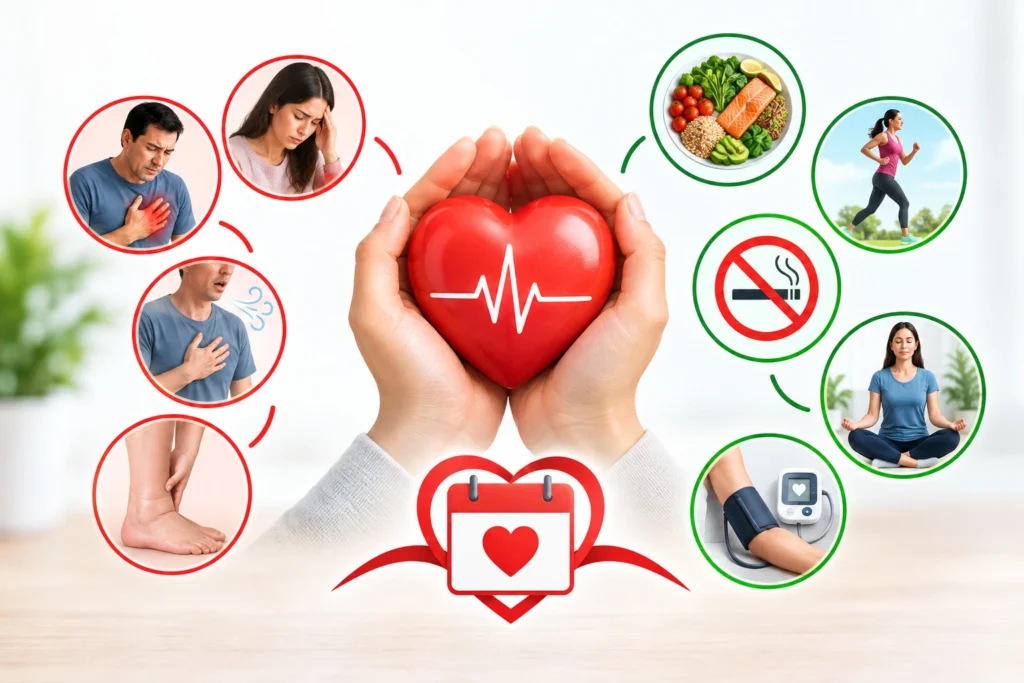
First, do not miss the body’s warnings. Symptoms can resemble anxiety, indigestion or respiratory illness, but do not assume they are harmless when new, severe, persistent or worsening.
Second, do not miss quiet prevention opportunities. High blood pressure and cholesterol may cause no symptoms, diabetes can develop gradually, and family history may reveal inherited vulnerability.
Which Heart Attack and Stroke Signs Require 911?
Recognizing heart attack warning signs is emergency knowledge, not a self-diagnosis exercise. Call 911 in the United States immediately if you or someone nearby may be having a heart attack. Do not drive yourself if emergency medical services are available.
CDC-listed heart attack symptoms include:
- Pressure, squeezing, fullness or pain in the center or left chest, especially if it persists or returns
- Pain or discomfort in one or both arms or shoulders, the jaw, neck or back
- Shortness of breath, with or without chest discomfort
- Weakness, light-headedness, faintness or a cold sweat
- Nausea, vomiting, unusual tiredness or symptoms that feel like indigestion
Not everyone has crushing chest pain. Women, older adults and people with diabetes may experience less typical or subtler symptoms, but anyone can. New unexplained breathlessness, extreme fatigue or upper-body discomfort therefore deserves serious attention.
Stroke is also an emergency. Call 911 for sudden one-sided weakness; trouble speaking or seeing; confusion; dizziness or loss of balance; or a severe unexplained headache. Note when symptoms began. Even if they disappear, urgent evaluation is necessary.
Because treatment is time-sensitive, preparation matters: know your address, keep an updated medication list, and make sure family members understand that calling emergency services promptly is safer than waiting for certainty or arranging a ride.
Which Risk Factors Can Stay Silent?
Blood pressure is the classic silent risk. A CDC update dated June 2, 2026 reports that 48.1% of U.S. adults—119.9 million people—have high blood pressure, defined there as readings above 130/80 mm Hg or taking medicine. Repeated measurements help clinicians see a pattern.
Ask about these measurable or reviewable factors:
- Blood pressure and whether home monitoring with a validated cuff is appropriate
- A lipid panel, including LDL and HDL cholesterol and triglycerides
- Blood glucose or A1C when diabetes screening is indicated
- Weight-related measures interpreted alongside overall health
- Tobacco or nicotine exposure, physical activity, sleep, diet and alcohol use
- Kidney disease, pregnancy complications, inflammatory conditions and medicines
- Family history of early heart disease, stroke, sudden death, high cholesterol or cardiomyopathy
Age and genes cannot be changed, while access to safe spaces, nutritious food, medication and care is not equally distributed. Good cardiovascular disease prevention combines personal action with appropriate clinical care and healthier communities; it is not a test of willpower.
How Should You Prepare for a Heart-Health Appointment?
Record symptoms, timing, duration and triggers. List medicines and supplements. Bring correctly taken home blood-pressure readings and relevant family history.
Ask: What is my blood-pressure goal? Do I need cholesterol or diabetes testing? How does family history affect me? Which change offers the greatest benefit? When are symptoms urgent?
Screening should be individualized. An electrocardiogram, stress test or scan is not automatically appropriate for every symptom-free adult. A clinician can consider symptoms, history and overall risk before recommending tests or medicines. Never stop prescribed medication without the prescriber.
What Prevention Actions Are Realistic?
Effective prevention is usually a system, not a makeover. Choose one action that can survive a difficult week, then build on it.
- Know your numbers. Check blood pressure and discuss cholesterol and glucose screening.
- Move safely. Build aerobic and strengthening activity gradually, especially with symptoms or medical conditions.
- Favor vegetables, fruit, beans, whole grains, nuts and appropriate protein; limit excess sodium, added sugars, saturated fat and trans fat.
- Avoid tobacco and seek quit support; discuss vaping and secondhand smoke.
- Protect sleep; loud snoring, gasping or daytime sleepiness may warrant evaluation.
- Take prescribed medicine consistently. Ask about side effects, cost or a complicated schedule rather than rationing silently.
Lifestyle can lower risk, but it cannot guarantee prevention or replace treatment. Some people develop CVD despite strong habits; others need medication, procedures or specialist care. The most useful plan is evidence-based, affordable and reviewed over time.
A Five-Minute World Heart Day Checklist
Use September 29 as a reset, not a one-day performance:
- Save emergency warning signs and teach one other person.
- Check when blood pressure, cholesterol and diabetes risk were assessed.
- Write one symptom or family-history question for your appointment.
- Choose one repeatable heart-supportive action for the month.
- Confirm that prescriptions are available and taken as directed.
- Add local emergency numbers when traveling outside the United States.
Families can compare histories without blame. Workplaces can post emergency signs, support CPR/AED training and enable preventive care. Communities can advocate for smoke-free, walkable environments and accessible care. Heart health is never only individual.
Take the Next Step with Health Glow
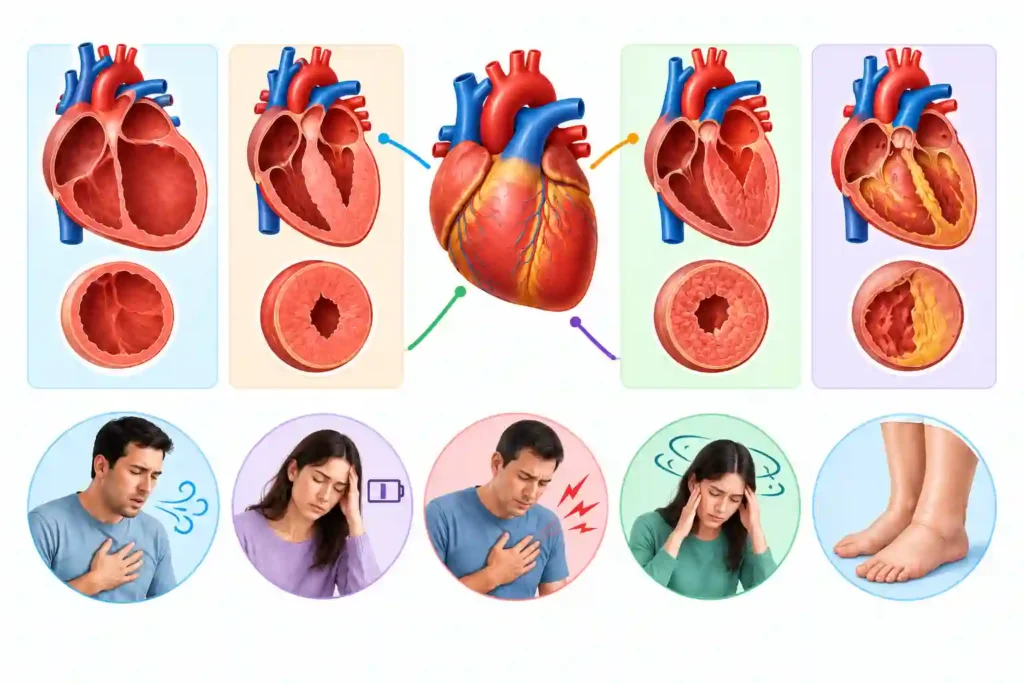
Complete the checklist, then explore Health Glow’s five-condition heart-disease cluster: types of heart disease, coronary artery disease, early heart-failure symptoms, and arrhythmia symptoms and causes. Bring questions to a clinician; personal decisions require appropriate evaluation.
Medical Disclaimer
This article provides general education and does not diagnose, treat or replace individualized medical advice. Call 911 for possible heart attack or stroke symptoms. Seek guidance from a qualified healthcare professional about personal risks, symptoms, tests and treatment.
References
- World Heart Federation — World Heart Day 2026
- World Heart Federation — 2026 Don’t Miss a Beat campaign
- World Health Organization — Cardiovascular diseases fact sheet (July 2025)
- CDC/NCHS — Heart Disease FastStats (2024 mortality)
- CDC — Heart Disease Facts
- CDC — Heart Attack Symptoms, Risk, and Recovery
- CDC — Signs and Symptoms of Stroke
- CDC — High Blood Pressure Facts (June 2026)